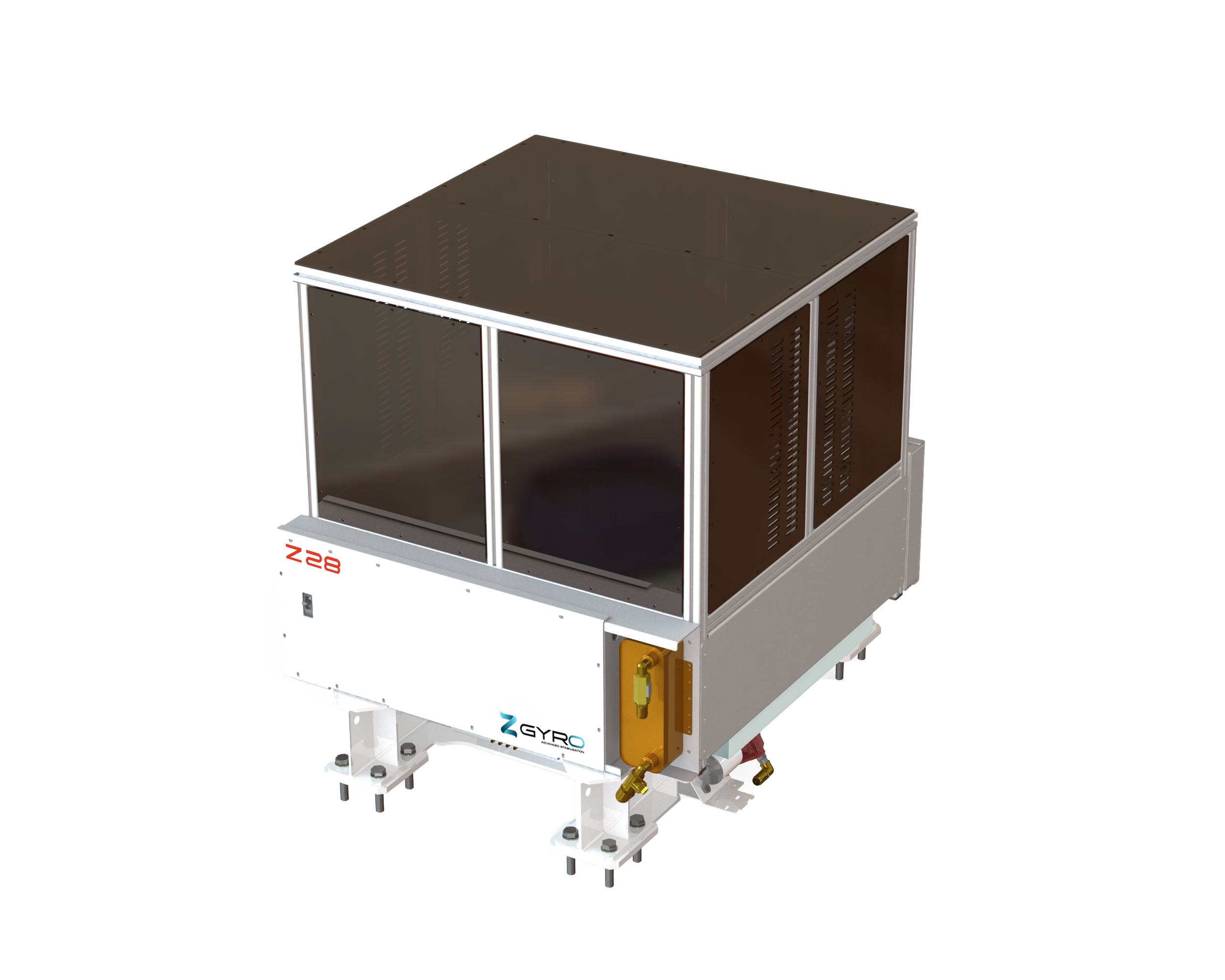
Z28

SIZE DOES MATTER
WHICH MODEL SIZE IS RIGHT FOR YOU?
No one knows more about how you boat than you! Please contact us and we will guide you to choose the right model for you!
SIZE DOES MATTER
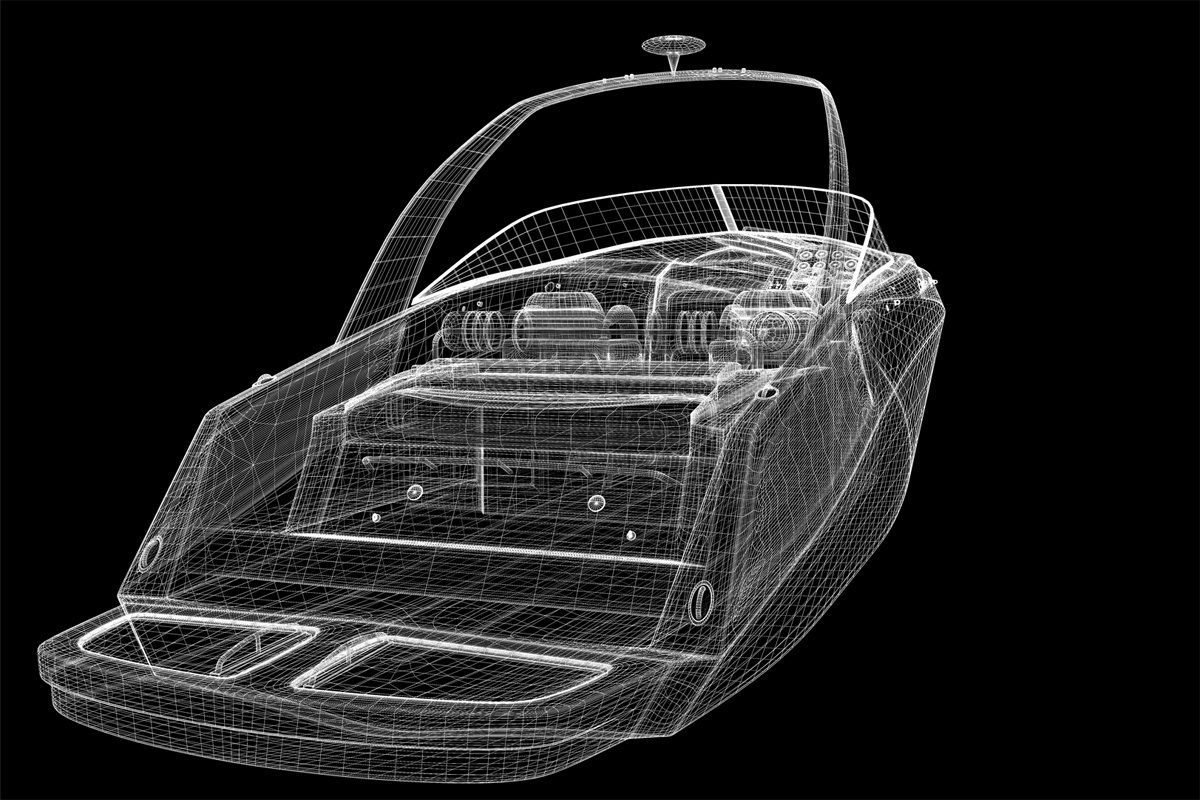
Stabilization for Small Boats
Exceptional Stabilization Performance
It detects boat posture and adaptively controls it. This ensures superior stabilization in unpredictable waves, reduce up to 96% of the boat roll.
Innovative Architecture
Our patented mechatronic torque control system is hydraulic components-free, known for its robustness and durability. it minimizes failures and offers easy maintenance.
Advanced Triple Buffer Protection
Combining mechanical, electromagnetic and electronic buffering, the system is designed to withstand impacts, ensuring reliability even in the most challenging sea conditions. This design is also protected by multiple patents.
View our product details
Weight
Dimensions
2020KGS
1150*1500*1340mm
Gyro System
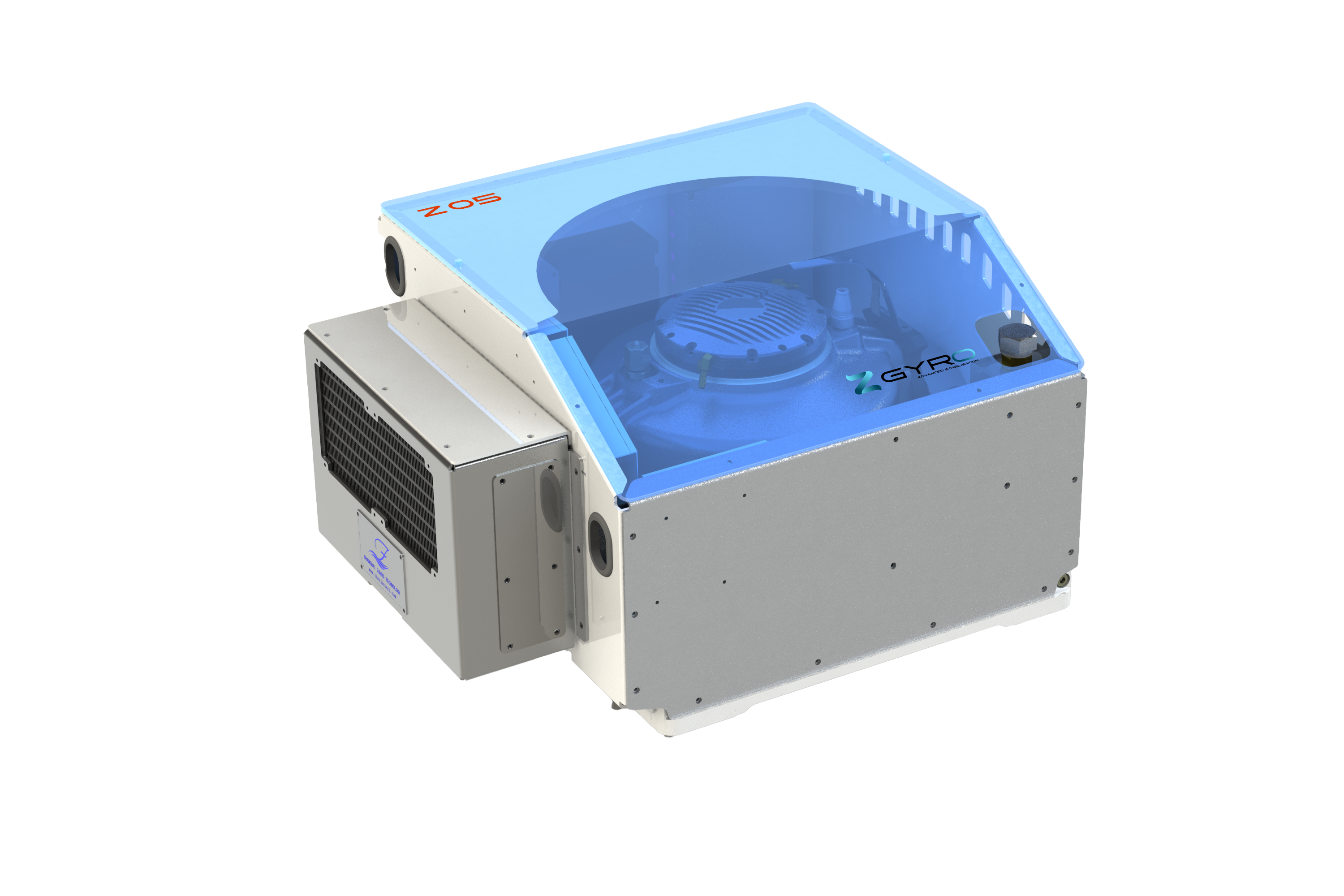
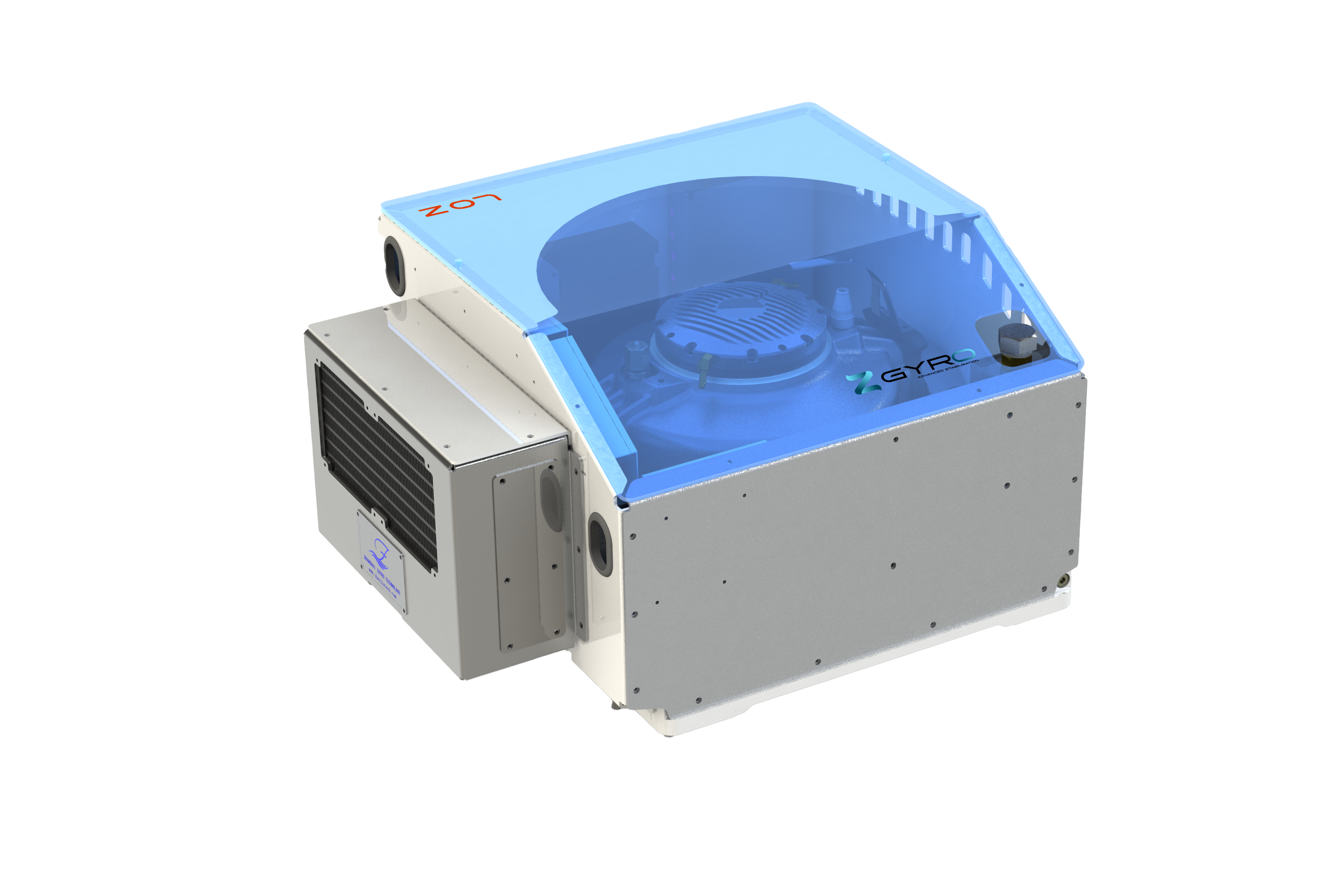
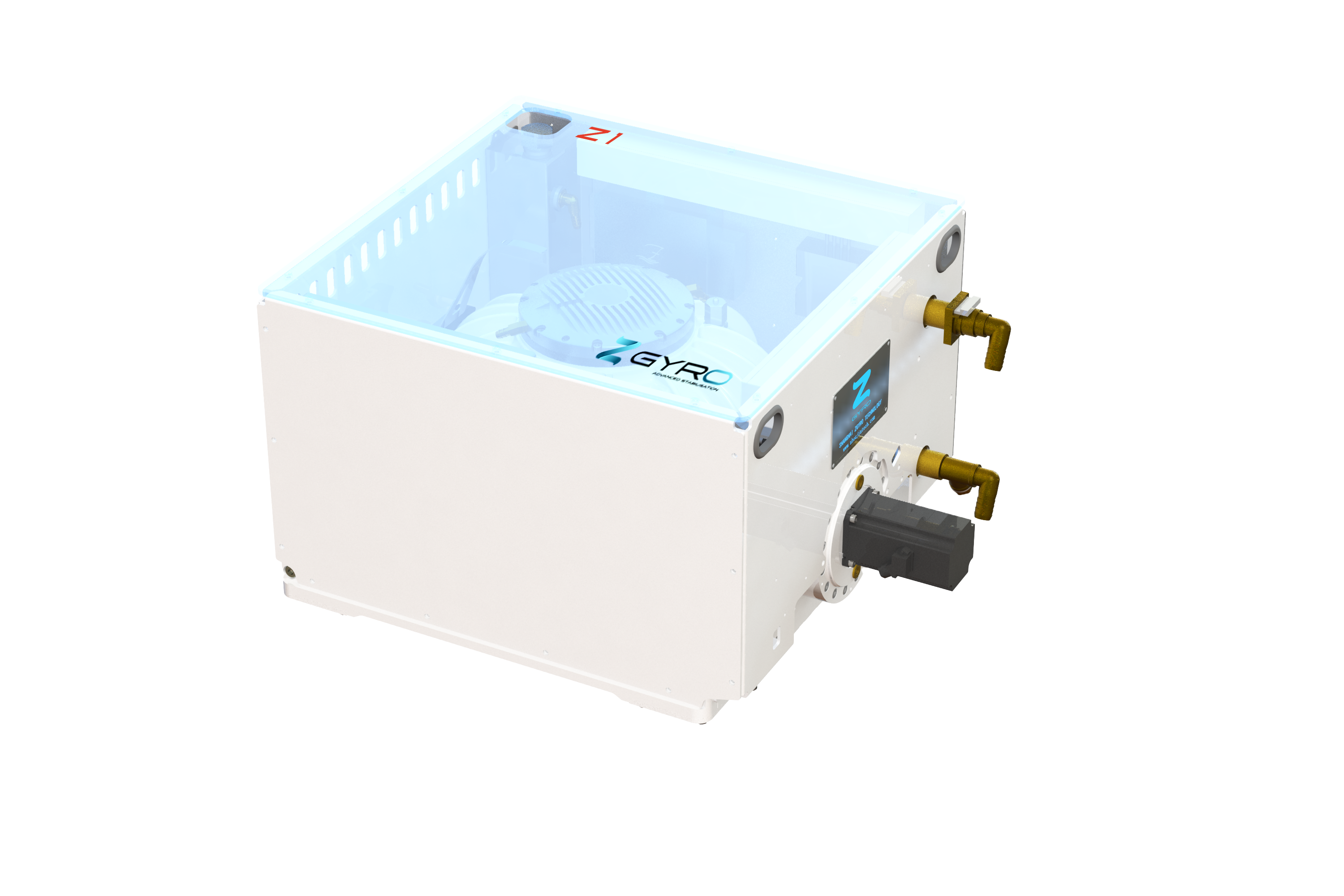
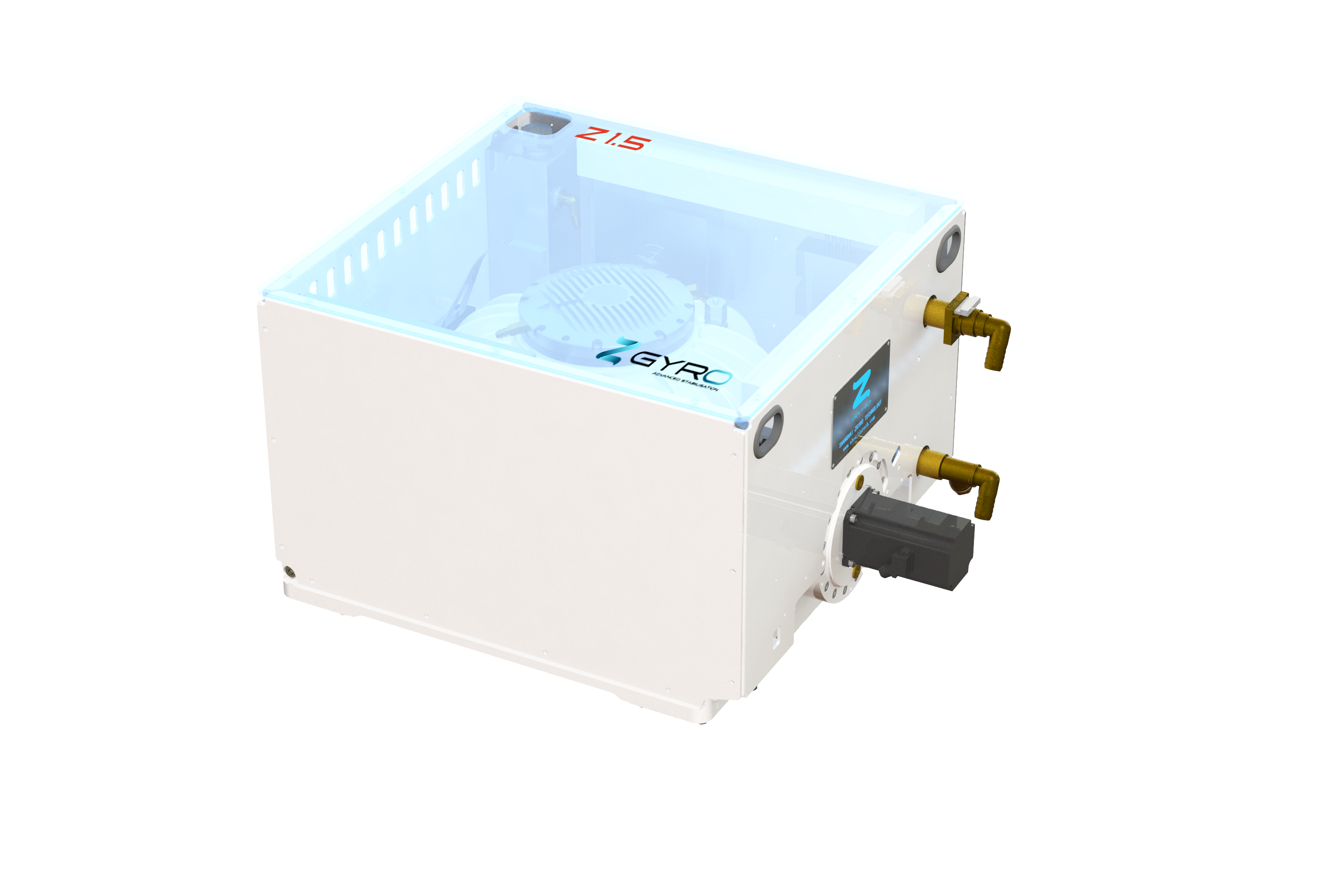
This includes the flywheel and its base. The flywheel, placed vertically in a sealed casing, connects to the base via a side shaft and bearings. lts high-speed rotational movement produces anti-roll torque during procession, which helps reduce ship sway.
Drive System
Consisting of a servo motor and a servo motor controller, the servo motor adopts a frame-less structure and directly drives the flywheel shaft, ensuring high transmission efficiency while also having the advantage of a compact structure.
Cooling System
Featuring a water tank, cooler, water pump, piping, and antifreeze, this system uses the cooler to exchange heat with seawater, subsequently cooling critical components like bearings, motors, and electronic controls.
Detailed parameters
| Model | ZJ28 |
|---|---|
| Applicable Boat Range | Full load total weight ≤ 85 T |
| Rated RPM | 3150 rpm |
| Angular Momentum | 28 kNms |
| Anti-rolling Torque | 84 kNm |
| Time to Rated RPM | 40 min |
| Time to Stablization | 20 min |
| Start-up Power | 0.4~9 kW |
| Operating Power | 5~8 kW |
| Power Input | 3PH AC380V9 kW |
| Weight | 1680kg |
| Overall Size (L*W*H) | 1150*1450*1300 mm |
| Installation Space (L*W*H) | 1350*2300*1440 mm |
| Cooling Method | Water cooling 15L/min |
| Ambient Temperature | -20℃~60℃ |
| Noise Output @ 1 meter | ≤73 dB |
| Protection Rating | IP65 |
| Control Panel | 7-inch Touch Screen |
Small boats face unique challenges on the water, from choppy waves to sudden gusts of wind, which can compromise safety and passenger comfort. Stabilization for small boats has become a vital technology, ensuring smoother rides, enhanced safety, and more enjoyable experiences for recreational and commercial boaters alike. Modern stabilization systems are designed to minimize roll, pitch, and sway, giving even small watercraft the feel of a stable, larger vessel.
The core of small boat stabilization is often based on gyroscopic or fin-based technology. Gyro stabilizers use a spinning mass to counteract rolling motions. When the boat tilts, the gyroscope generates a precessive force in the opposite direction, stabilizing the vessel almost instantly. Fin stabilizers, on the other hand, extend small fins from the hull into the water. These fins actively adjust their angles based on the boat’s movement, generating lift and resistance to counter waves. Both systems can be tailored to the size, weight, and type of boat, ensuring maximum effectiveness.
The advantages of small boat stabilization are numerous. For recreational boaters, stabilizers make fishing trips, leisure cruises, and family outings more comfortable, reducing seasickness and fatigue. Commercial operators, including tour boats and water taxis, benefit from improved passenger satisfaction, reduced motion-induced stress on equipment, and safer boarding and disembarking. Stabilization also protects sensitive onboard electronics and cargo from damage due to excessive movement, extending the lifespan of equipment and enhancing operational efficiency.
Installation of a stabilization system is now simpler and more compact than ever. Modern gyro units and fin systems are lightweight, energy-efficient, and require minimal maintenance. They can be integrated into new builds or retrofitted onto existing boats, with control systems providing real-time feedback and adjustments. Some advanced systems even offer automatic tuning based on water conditions, optimizing performance without constant user intervention.
Case studies demonstrate the real-world impact of these systems. A 28-foot recreational yacht retrofitted with a gyro stabilizer reported a 70% reduction in roll and a marked improvement in passenger comfort on coastal waters. Small commercial tour boats equipped with active fin stabilizers have been able to operate in rougher sea conditions, maintaining schedule reliability and increasing passenger trust and safety. For fishing vessels, stabilization has reduced equipment damage and improved crew efficiency by minimizing boat motion during critical operations.
In addition to performance benefits, stabilization systems are engineered with sustainability in mind. Modern units consume minimal energy and are designed for durability, reducing the need for frequent replacements and repairs. Materials used in fin stabilizers and gyros are corrosion-resistant, ensuring long-term reliability even in harsh marine environments. This combination of comfort, safety, and sustainability makes stabilization a smart investment for small boat owners and operators.
Overall, stabilization for small boats transforms the boating experience, delivering smoother, safer, and more enjoyable journeys. Whether for leisure, fishing, or commercial purposes, these advanced systems allow small boats to handle rough seas with confidence, protect passengers and equipment, and enhance operational efficiency. By integrating gyroscopic or fin-based stabilization technology, small boat owners can enjoy the stability and comfort typically reserved for much larger vessels, ensuring every trip on the water is safe and pleasurable.
Product Inquiry
Professional
Provide customers with professional services


