中文(Chinese)
当前语言:中文
Enhancing Stability at Sea: The Role of Boat Gyroscope Stabilizers
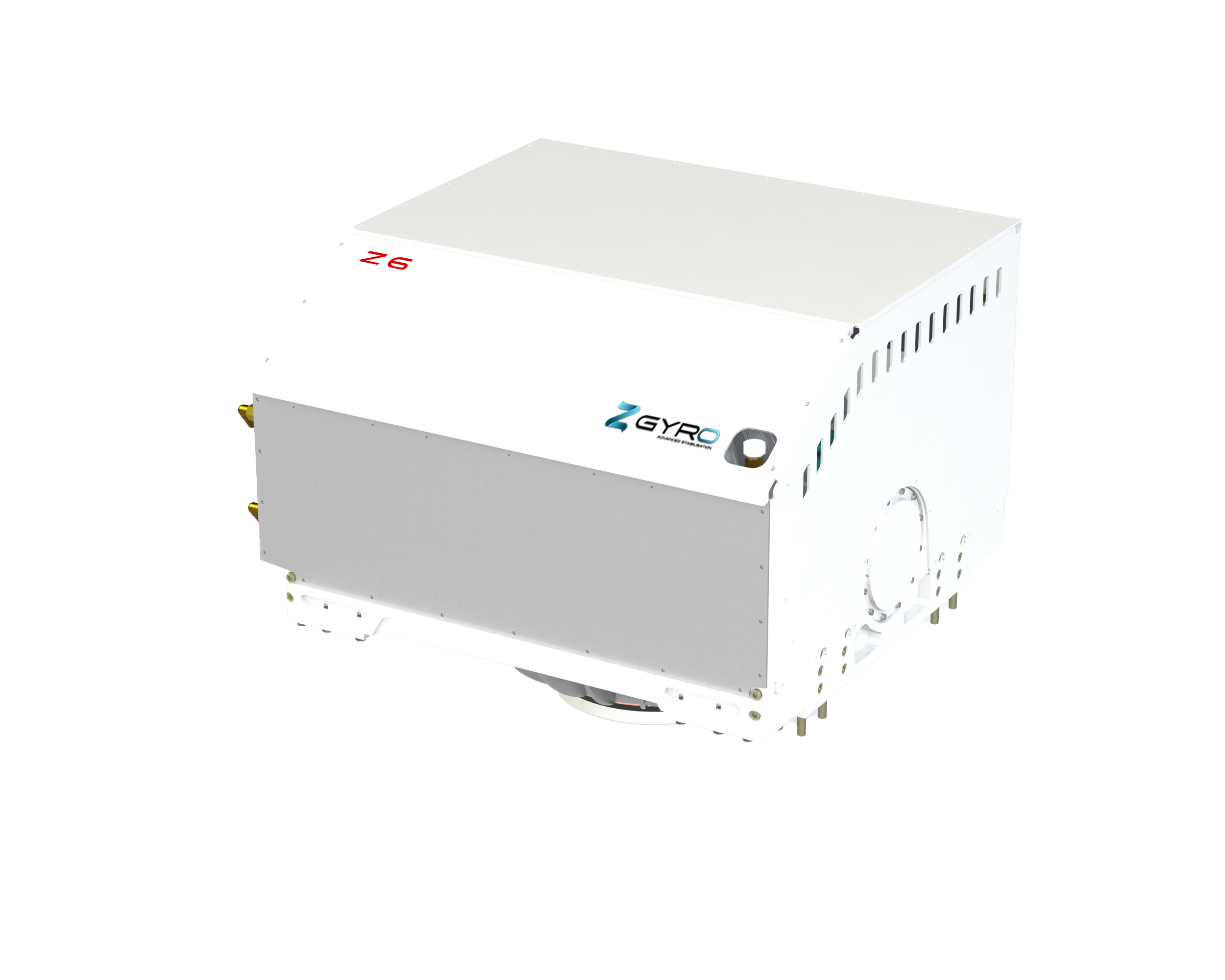
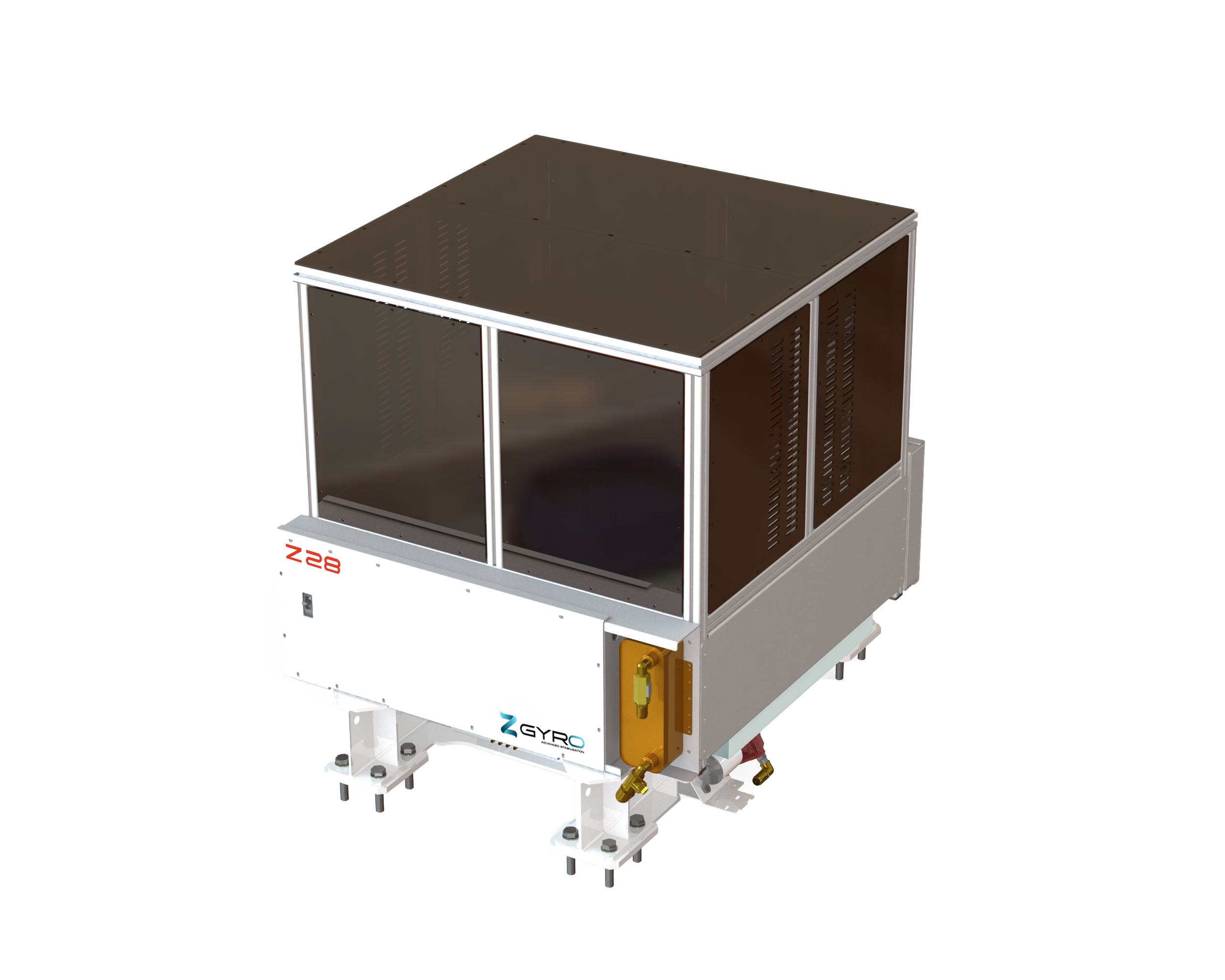
Boat gyroscope stabilizers are innovative devices designed to reduce the rolling motion of boats and vessels while they are in motion or at anchor. By utilizing the principles of gyroscopic stability, these systems help ensure a smoother and more stable experience for those aboard, significantly enhancing both comfort and safety.
The primary function of a boat gyroscope stabilizer is to counteract the natural movement of the vessel caused by waves and wind. When a boat is subject to external forces, it may begin to roll or sway, which can lead to discomfort for passengers and crew. A gyroscope stabilizer works by creating a counteracting force that adjusts in real-time to the boat's movements. This is achieved through a spinning rotor mounted on gimbals, which allows it to maintain a stable orientation regardless of the boat's angle. As the vessel begins to roll, the gyroscope generates a force that helps to right the boat, reducing the overall motion experienced on board.
One of the significant advantages of using boat gyroscope stabilizers is the enhancement of passenger comfort. For recreational boaters, long trips can become tiring and unpleasant due to the constant rolling. By minimizing this motion, gyroscope stabilizers create a more enjoyable atmosphere for those on board. Additionally, in commercial applications, such as ferries and cruise ships, maintaining stability can lead to improved customer satisfaction and retention.
Another critical aspect of gyroscopic stabilization is safety. Excessive rolling can lead to accidents, particularly in smaller vessels where the risk of capsizing is more pronounced. By employing a gyroscope stabilizer, boat operators can reduce the likelihood of such incidents, ensuring a safer environment for both the crew and passengers.
Furthermore, the installation of boat gyroscope stabilizers can also contribute to improved fuel efficiency. When a vessel is stable, it can maintain its optimal course with less resistance from the water, resulting in reduced fuel consumption. This not only benefits the operator economically but also has positive implications for environmental sustainability.
When considering the implementation of a boat gyroscope stabilizer, it is essential to assess the specific needs of the vessel and its intended use. Factors like boat size, weight, and typical conditions should be taken into account to select the most suitable stabilizer system. Consulting with maritime experts or technology providers can help ensure that the right solution is chosen for optimal performance.
In conclusion, boat gyroscope stabilizers represent a significant advancement in maritime technology, providing enhanced stability and safety for vessels of all types. As the maritime industry continues to evolve, the integration of such technology will likely become increasingly common, reshaping the way we navigate and experience the waterways.
The primary function of a boat gyroscope stabilizer is to counteract the natural movement of the vessel caused by waves and wind. When a boat is subject to external forces, it may begin to roll or sway, which can lead to discomfort for passengers and crew. A gyroscope stabilizer works by creating a counteracting force that adjusts in real-time to the boat's movements. This is achieved through a spinning rotor mounted on gimbals, which allows it to maintain a stable orientation regardless of the boat's angle. As the vessel begins to roll, the gyroscope generates a force that helps to right the boat, reducing the overall motion experienced on board.
One of the significant advantages of using boat gyroscope stabilizers is the enhancement of passenger comfort. For recreational boaters, long trips can become tiring and unpleasant due to the constant rolling. By minimizing this motion, gyroscope stabilizers create a more enjoyable atmosphere for those on board. Additionally, in commercial applications, such as ferries and cruise ships, maintaining stability can lead to improved customer satisfaction and retention.
Another critical aspect of gyroscopic stabilization is safety. Excessive rolling can lead to accidents, particularly in smaller vessels where the risk of capsizing is more pronounced. By employing a gyroscope stabilizer, boat operators can reduce the likelihood of such incidents, ensuring a safer environment for both the crew and passengers.
Furthermore, the installation of boat gyroscope stabilizers can also contribute to improved fuel efficiency. When a vessel is stable, it can maintain its optimal course with less resistance from the water, resulting in reduced fuel consumption. This not only benefits the operator economically but also has positive implications for environmental sustainability.
When considering the implementation of a boat gyroscope stabilizer, it is essential to assess the specific needs of the vessel and its intended use. Factors like boat size, weight, and typical conditions should be taken into account to select the most suitable stabilizer system. Consulting with maritime experts or technology providers can help ensure that the right solution is chosen for optimal performance.
In conclusion, boat gyroscope stabilizers represent a significant advancement in maritime technology, providing enhanced stability and safety for vessels of all types. As the maritime industry continues to evolve, the integration of such technology will likely become increasingly common, reshaping the way we navigate and experience the waterways.
boat gyroscope stabilizer
Related News

Professional
Provide customers with professional services


