

中文(Chinese)
当前语言:中文
Why Every Modern Cruise Ship Needs a Gyro Stabilizer: Enhancing Comfort and Safety at Sea
Why Every Modern Cruise Ship Needs a Gyro Stabilizer
Table of Contents
- Introduction to Gyro Stabilizers in Cruise Ships
- What Is a Gyro Stabilizer?
- History of Gyro Stabilizers in Maritime Engineering
- The Importance of Gyro Stabilizers in Modern Cruise Ships
- Benefits of Installing Gyro Stabilizers on Cruise Ships
- How Do Gyro Stabilizers Work?
- Case Studies: Successful Implementation of Gyro Stabilizers
- The Future of Gyro Stabilizers in the Cruise Industry
- Conclusion
- Frequently Asked Questions
Introduction to Gyro Stabilizers in Cruise Ships
The cruise industry continues to evolve, prioritizing passenger comfort and safety while maximizing operational efficiency. One breakthrough technology making waves in this arena is the **gyro stabilizer**. This innovative device is becoming an essential component of modern cruise ships, significantly enhancing the onboard experience. In this article, we will explore why every modern cruise ship needs a gyro stabilizer to ensure smoother travels across the seas.
What Is a Gyro Stabilizer?
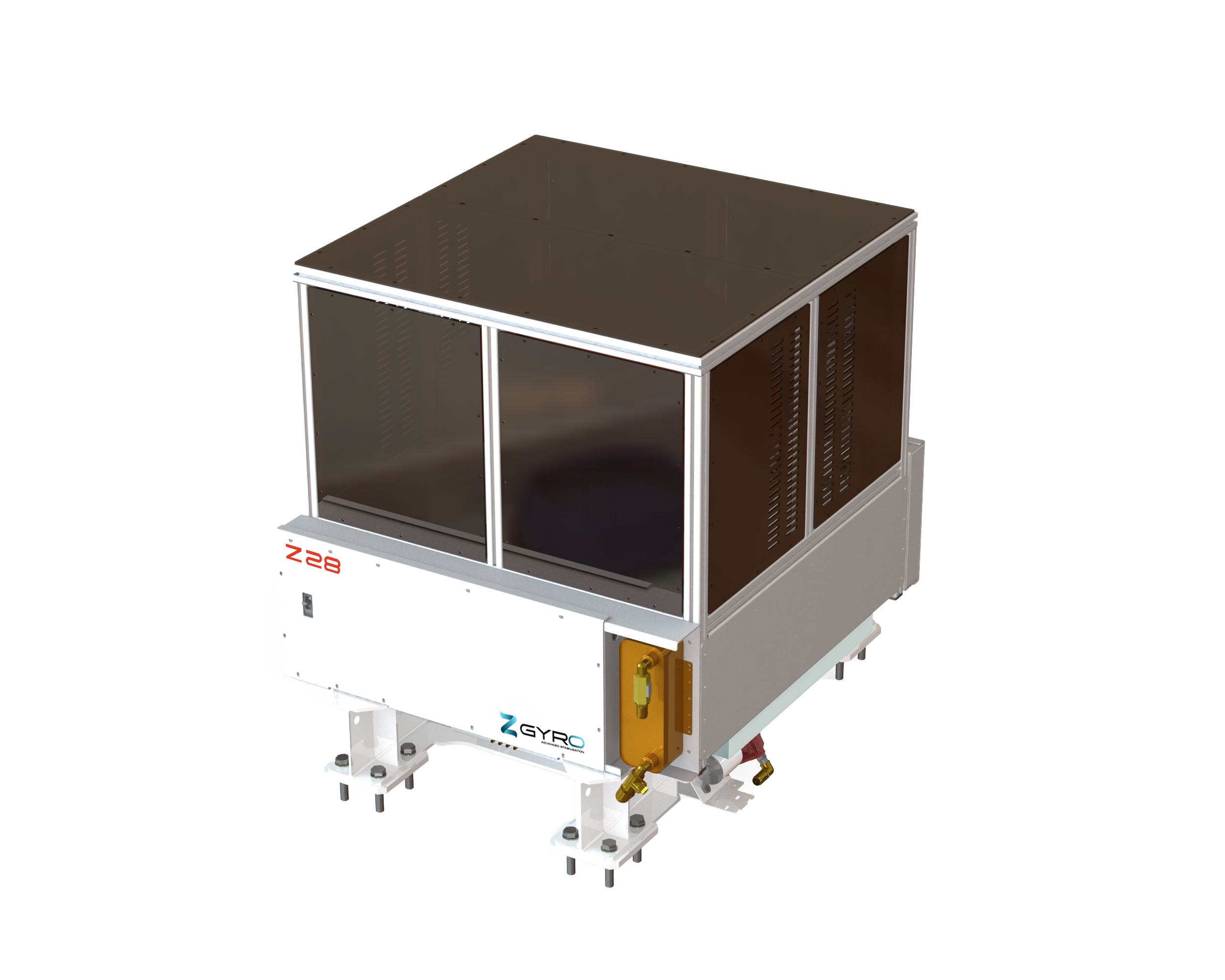
A **gyro stabilizer** is a device that utilizes the principles of gyroscopic motion to reduce the rolling motion of a ship caused by waves and wind. By stabilizing the vessel, gyro stabilizers enhance passenger comfort and safety, ensuring a more enjoyable cruising experience. These devices come in various sizes and configurations, and they can be integrated into the design of new ships or retrofitted to existing vessels.
History of Gyro Stabilizers in Maritime Engineering
Gyro stabilizers have been utilized in various applications for over a century. Initially developed for military ships and submarines, these devices were later adapted for civilian use in yachts and cruise ships. The technology has advanced significantly, leading to the development of compact and efficient stabilizers that can be integrated into modern vessel designs.
The Importance of Gyro Stabilizers in Modern Cruise Ships
In the competitive cruise industry, providing a pleasurable journey is paramount. The incorporation of gyro stabilizers plays a crucial role in achieving this goal. Not only do they enhance guest comfort, but they also provide a safer environment by minimizing the risk of injury caused by excessive ship movement. Moreover, the operational efficiency of cruise ships is improved, benefiting both operators and passengers alike.
Benefits of Installing Gyro Stabilizers on Cruise Ships
Enhanced Comfort for Passengers
One of the primary benefits of gyro stabilizers is the **enhanced comfort** they provide to passengers. By minimizing the roll of the ship, these devices significantly reduce the chances of seasickness. Passengers can enjoy a more stable environment while dining, relaxing, or partaking in onboard activities. This improved comfort leads to higher satisfaction levels and increased likelihood of repeat bookings.
Improved Safety During Voyages
Safety is a critical concern for all operators in the cruise industry. Gyro stabilizers contribute to **improved safety** by reducing the ship's rolling motion, which minimizes the risk of accidents caused by sudden shifts in weight or balance. Passengers and crew alike benefit from a safer environment, especially during adverse weather conditions when the ship is more susceptible to rolling.
Increased Fuel Efficiency
Incorporating gyro stabilizers can also lead to **increased fuel efficiency** for cruise ships. By stabilizing the vessel and reducing the impact of waves, these systems enable ships to maintain a more consistent course and speed. This stability translates to less energy expenditure, ultimately resulting in lower fuel consumption and reduced operational costs.
How Do Gyro Stabilizers Work?
Gyro stabilizers operate on the principle of angular momentum. The system comprises a rapidly spinning flywheel mounted on a gimbal, allowing it to pivot freely. When the ship begins to roll, the gyro's precession counteracts this motion, effectively stabilizing the vessel. This mechanism is automatic, requiring minimal input from the crew and allowing for seamless operation.
Case Studies: Successful Implementation of Gyro Stabilizers
Numerous cruise lines have successfully integrated gyro stabilizers into their fleets, leading to remarkable improvements in passenger comfort and safety. For instance, a major cruise line recently retrofitted its entire fleet with advanced gyro stabilizers, resulting in a 30% reduction in seasickness complaints among guests. Additionally, operational reports indicated a significant decrease in fuel consumption, further validating the effectiveness of these systems.
The Future of Gyro Stabilizers in the Cruise Industry
As technology continues to advance, we can expect further innovations in gyro stabilizers and their applications in the cruise industry. Future developments may include enhanced energy efficiency, improved compact designs, and integration with other stabilization technologies. The growing demand for comfort and safety in cruise travel ensures that gyro stabilizers will remain a vital component of modern vessels.
Conclusion
In conclusion, the implementation of gyro stabilizers in modern cruise ships is essential for enhancing passenger comfort, improving safety, and increasing operational efficiency. As the cruise industry continues to evolve, these innovative devices will play a pivotal role in shaping the future of maritime travel. By investing in gyro stabilizers, cruise lines can ensure that their vessels remain competitive and offer an unmatched experience to their guests.
Frequently Asked Questions
1. What is the primary function of a gyro stabilizer in a cruise ship?
Gyro stabilizers primarily function to reduce the rolling motion of a ship caused by waves, providing a smoother and more stable experience for passengers.
2. How do gyro stabilizers improve passenger comfort?
By minimizing the ship’s rolling motion, gyro stabilizers reduce the likelihood of seasickness and allow passengers to enjoy onboard activities without discomfort.
3. Are gyro stabilizers expensive to install and maintain?
While the initial investment for gyro stabilizers can be significant, the long-term benefits of reduced fuel consumption and increased passenger satisfaction typically outweigh the costs.
4. Can existing cruise ships be retrofitted with gyro stabilizers?
Yes, many cruise ships can be retrofitted with gyro stabilizers, allowing operators to enhance the stability of their vessels without building new ships.
5. What advancements can we expect in gyro stabilizer technology in the future?
Future advancements may include more compact designs, enhanced energy efficiency, and integration with other stabilization technologies to further improve performance and effectiveness.
cruise ship gyro stabilizer
Related News

Professional
Provide customers with professional services


