

中文(Chinese)
当前语言:中文
Understanding Boat Gyro Systems: Enhancing Stability and Performance on the Water
In the maritime industry, maintaining stability and enhancing vessel performance are paramount for safety and efficiency. One innovative technology that significantly contributes to these goals is the boat gyro system. This advanced stabilization technology has gained popularity among marine professionals, offering notable advantages for both commercial and recreational vessels.
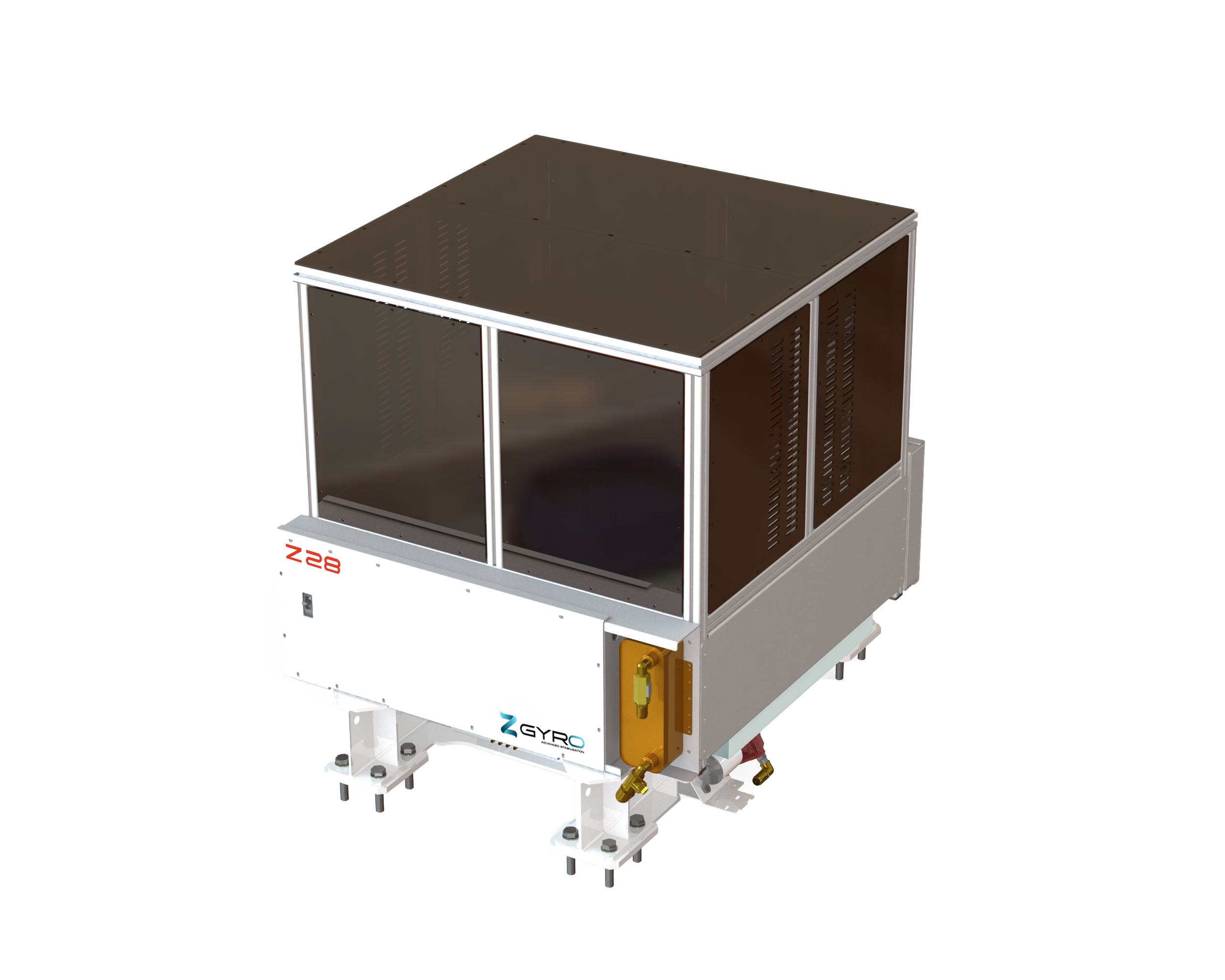
A boat gyro system employs gyroscopic principles to counteract the rolling motion of a vessel caused by waves and environmental conditions. By utilizing a high-speed rotating flywheel, these systems generate angular momentum, which helps stabilize the boat's position in the water. This stabilization process is crucial for various applications, including passenger comfort, reducing cargo shift, and improving overall navigation performance.
One of the primary benefits of a boat gyro system is the enhancement of passenger experience. In turbulent waters, the rolling motion can cause discomfort and even seasickness among passengers. By incorporating a gyro stabilization system, vessels can minimize this rolling motion, ensuring a smoother and more enjoyable journey. This is particularly beneficial for luxury yachts, cruise ships, and ferries, where passenger comfort is paramount.
From a safety perspective, a boat gyro system improves the vessel's handling characteristics. By reducing excessive rolling, the system allows for better control of the vessel, especially during maneuvers such as docking or navigating narrow channels. This enhanced control can significantly reduce the risk of accidents, making the boat safer for both crew and passengers.
Moreover, the integration of a gyro stabilization system can lead to greater operational efficiency. Vessels equipped with these systems often require less ballast and fuel to maintain stability, resulting in lower operational costs. Furthermore, the reduction in roll can enhance the effectiveness of onboard equipment and machinery, ensuring that operations run smoothly without unnecessary disruptions.
In addition to these practical advantages, the technology behind boat gyro systems has also evolved significantly. Modern systems are often compact, lightweight, and designed for easy integration into a wide range of vessels. This adaptability makes them suitable for various maritime applications, from fishing boats to large cargo vessels.
In conclusion, the boat gyro system represents a vital advancement in marine technology, offering numerous benefits that enhance vessel performance, passenger comfort, and overall safety. For professionals in the maritime transportation industry, understanding and considering the incorporation of gyro stabilization systems can be a game-changer, leading to improved operations and satisfied customers. Embracing such innovative solutions is essential for staying competitive in today's evolving marine landscape.
A boat gyro system employs gyroscopic principles to counteract the rolling motion of a vessel caused by waves and environmental conditions. By utilizing a high-speed rotating flywheel, these systems generate angular momentum, which helps stabilize the boat's position in the water. This stabilization process is crucial for various applications, including passenger comfort, reducing cargo shift, and improving overall navigation performance.
One of the primary benefits of a boat gyro system is the enhancement of passenger experience. In turbulent waters, the rolling motion can cause discomfort and even seasickness among passengers. By incorporating a gyro stabilization system, vessels can minimize this rolling motion, ensuring a smoother and more enjoyable journey. This is particularly beneficial for luxury yachts, cruise ships, and ferries, where passenger comfort is paramount.
From a safety perspective, a boat gyro system improves the vessel's handling characteristics. By reducing excessive rolling, the system allows for better control of the vessel, especially during maneuvers such as docking or navigating narrow channels. This enhanced control can significantly reduce the risk of accidents, making the boat safer for both crew and passengers.
Moreover, the integration of a gyro stabilization system can lead to greater operational efficiency. Vessels equipped with these systems often require less ballast and fuel to maintain stability, resulting in lower operational costs. Furthermore, the reduction in roll can enhance the effectiveness of onboard equipment and machinery, ensuring that operations run smoothly without unnecessary disruptions.
In addition to these practical advantages, the technology behind boat gyro systems has also evolved significantly. Modern systems are often compact, lightweight, and designed for easy integration into a wide range of vessels. This adaptability makes them suitable for various maritime applications, from fishing boats to large cargo vessels.
In conclusion, the boat gyro system represents a vital advancement in marine technology, offering numerous benefits that enhance vessel performance, passenger comfort, and overall safety. For professionals in the maritime transportation industry, understanding and considering the incorporation of gyro stabilization systems can be a game-changer, leading to improved operations and satisfied customers. Embracing such innovative solutions is essential for staying competitive in today's evolving marine landscape.
boat gyro system
Related News

Professional
Provide customers with professional services


